Cultural perspectives on gambling How traditions shape beliefs and behaviors
Cultural perspectives on gambling How traditions shape beliefs and behaviors
The Historical Context of Gambling
Gambling has existed in various forms across cultures for centuries, shaped by historical and social contexts. In many societies, gambling was integrated into rituals and community gatherings, often viewed as a way to connect with the divine or to influence fate. Ancient civilizations, such as the Chinese and Romans, had their own unique games of chance, reflecting their societal values and belief systems. These early practices laid the groundwork for how gambling is perceived today. Notably, many contemporary players turn to 1win to experience a rich, modern interpretation of gambling.

As societies evolved, so did the nature of gambling. In some cultures, it became associated with celebration, while in others, it was seen as a vice. The impact of colonialism and globalization has further diversified the ways in which gambling is approached, leading to different interpretations and rules governing its practice. Understanding this historical context is crucial to appreciating the diverse cultural perspectives on gambling.
Religious Influences on Gambling Beliefs
Religion plays a significant role in shaping attitudes toward gambling across various cultures. In some faiths, gambling is condemned as a form of greed or a lack of faith in divine providence. For example, certain Christian denominations and Islamic teachings strictly prohibit gambling, viewing it as morally objectionable. This religious disapproval influences behaviors, leading to a general stigma around gambling in these communities.
Conversely, other cultures may incorporate gambling into their religious or spiritual practices. For instance, in some Indigenous cultures, games of chance are used during rituals to seek guidance or fortune. These differing religious perspectives highlight how beliefs can either discourage or promote gambling, affecting community behaviors and individual choices.
Social Norms and Gambling Behavior
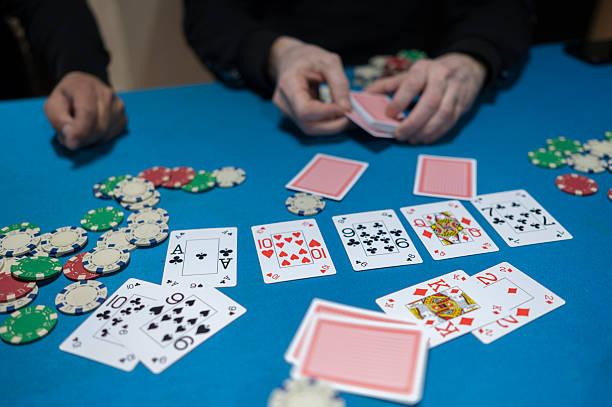
Social norms significantly influence gambling behaviors, dictating what is deemed acceptable within a culture. In societies where gambling is normalized, such as in parts of Europe and Asia, it can be a popular social activity that fosters community and interaction. Events like casino nights and poker tournaments are often seen as leisure activities, contributing to a vibrant social culture.
In contrast, cultures that view gambling as a negative behavior may stigmatize individuals who participate, leading to a more secretive and isolated experience. Social attitudes can affect not only personal participation in gambling but also the development of regulations and policies surrounding gambling activities within a society.
The Impact of Modernization on Gambling Practices
Modernization has dramatically transformed gambling practices, particularly with the advent of technology. Online casinos and mobile betting apps have made gambling more accessible, transcending traditional barriers. This shift has led to an increase in participation among younger generations, who may not feel the same cultural reservations as older adults. The convenience of online platforms allows for a broader range of gambling experiences, from casual games to high-stakes betting.
Furthermore, as cultures become more interconnected, the exchange of ideas and practices regarding gambling has increased. Globalization has led to the blending of traditional and modern gambling practices, resulting in unique cultural adaptations. As societies continue to evolve, it will be interesting to observe how these trends shape future beliefs and behaviors related to gambling.

Exploring Online Gambling Options
As attitudes toward gambling continue to evolve, platforms like online casinos are gaining popularity worldwide. These websites offer a diverse range of games, from traditional table games to innovative slot machines, catering to various preferences. Many players are drawn to the convenience and anonymity that online gambling provides, enabling them to engage in gaming experiences from the comfort of their homes.
Additionally, the rise of online gambling has led to increased competition among platforms, encouraging them to enhance user experiences through attractive bonuses and promotions. With options like 500% welcome bonuses and rapid payment methods, players can find engaging and secure environments to enjoy their favorite games. As cultural perspectives on gambling shift, the online landscape will likely continue to adapt, reflecting the changing beliefs and behaviors of players around the world.